
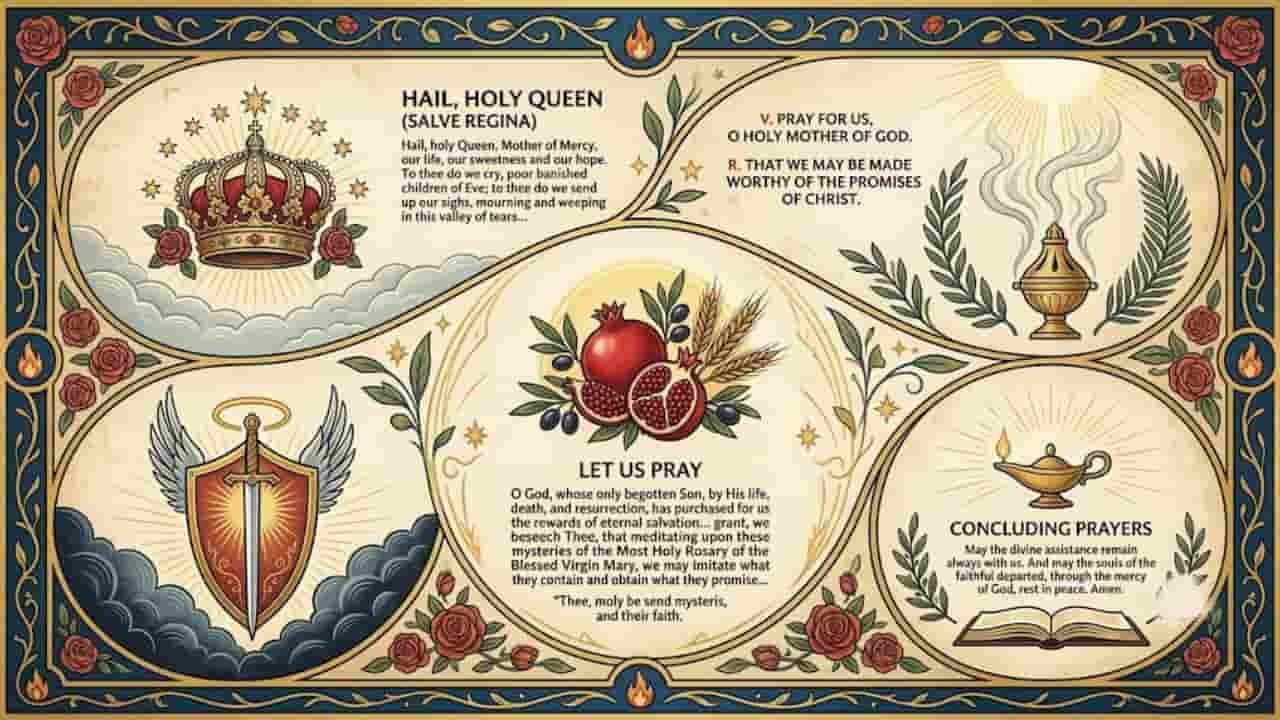
Have you ever finished praying the rosary and just… paused, wondering if you’re supposed to say something else before closing? You’re not alone. So many people learn the five decades by heart but never quite catch the prayers at the end of the rosary, those final lines that seem to get mumbled quickly or skipped altogether, leaving you unsure if you’re doing it “right.”
That’s exactly what this post is here to clear up. We’ll walk through the prayers at the end of the rosary, explain what each one means, and show you how to bring your prayer time to a close with confidence and peace. By the end, you’ll never have to wonder what comes next again.
What Are the Prayers at the End of the Rosary?
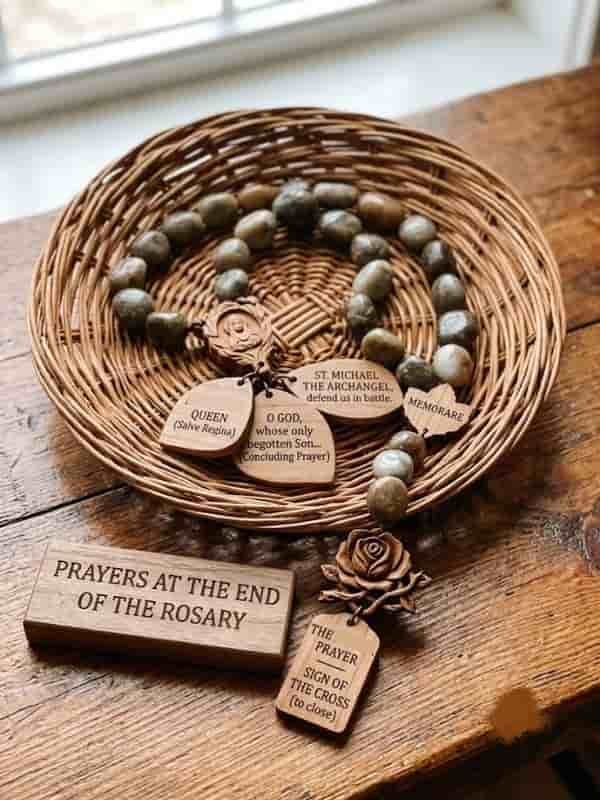
Once you’ve finished all five decades, the rosary isn’t quite done. There’s a short but meaningful sequence of prayers that traditionally follows, and it’s easy to miss if nobody ever walked you through it. These prayers wrap up your devotion, shift your focus toward gratitude, and open space for personal reflection before you close your beads for the day.
Most Catholics recognize this closing sequence even if they can’t always recall it word for word. It typically includes a prayer of praise to Mary, a short prayer asking for continued guidance, and sometimes an additional prayer tied to a specific Marian apparition. None of it is complicated. It’s more about rhythm and intention than memorization.
What Is Prayed After Completing the Rosary?
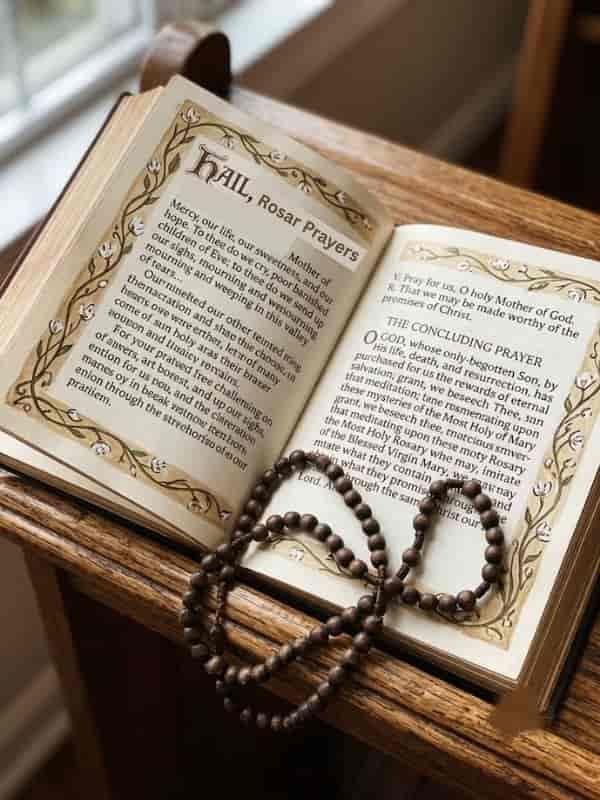
After the final decade, most people move into a short closing prayer honoring Mary, often called the Marian prayer. This prayer asks for her intercession and protection, and it’s usually recited standing, though that’s more custom than rule. It’s brief, but it carries a lot of weight for those who pray regularly.
Depending on the tradition or region, additional prayers might follow. Some pray for the Pope’s intentions. Others add a short prayer connected to a Marian apparition, sometimes called the “Prayer,” which focuses on mercy and the salvation of souls. None of these additions are mandatory, but they’re common enough that you’ll hear them in many parish settings.
Read More: Famous Prayers: 25+ Well-Known Prayers for Every Occasion
The Traditional Closing Prayer
This is the prayer most people associate with “finishing” the rosary properly. It praises Mary’s role and asks for her continued care, and it’s short enough that most people memorize it within a few recitations. Once you’ve said it a handful of times, it starts to feel like a natural landing point rather than an extra step.
The Prayer for Mary’s Intercession
This part focuses specifically on asking Mary to pray on your behalf. It’s less about reciting exact words and more about the posture behind them. Many people use this moment to silently add their own petitions, even while following the traditional wording.
The Final Prayer of the Rosary
Some traditions close with one more short prayer, often the one linked to a Marian apparition mentioned earlier. It’s brief, usually just a few lines, and centers on mercy, forgiveness, and hope. If you’ve never said it before, it’s worth learning, though it’s not required to complete the rosary faithfully.
The Order of Prayers at the End of the Rosary
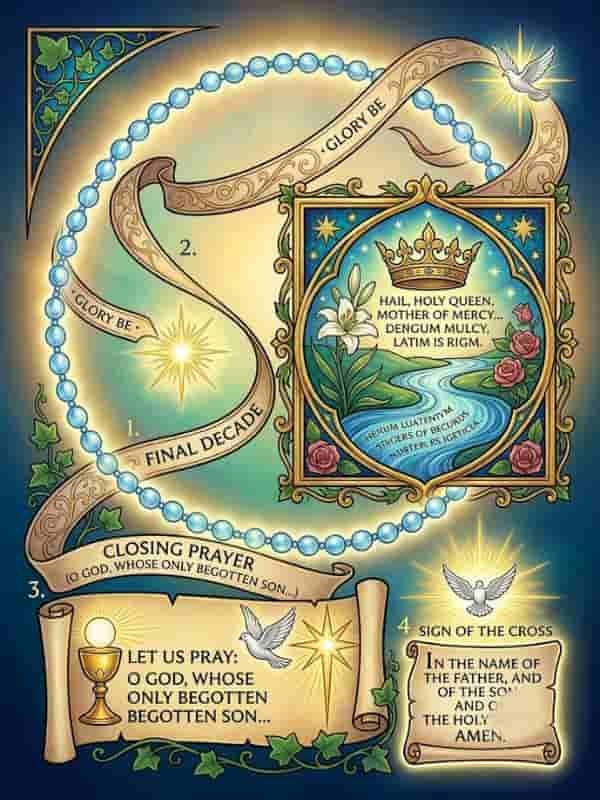
If you’re someone who likes structure, here’s a simple breakdown of how the order of prayers at the end of the rosary usually goes:
- Finish the fifth decade (final Our Father, ten small prayers, and Glory Be)
- Recite the traditional closing prayer honoring Mary
- Optionally add the short apparition-linked prayer
- Close with the Sign of the Cross
This order isn’t rigid law. It’s more of a widely followed custom that’s been passed down for generations. Some people add personal prayers before the Sign of the Cross, and that’s completely fine.
In fact, plenty of people you know probably do a slightly different version without even realizing it. Family habits, parish traditions, and personal preference all shape how this closing sequence looks in practice. What matters most isn’t perfect uniformity. It’s showing up with intention and finishing your prayer with the same care you started it.
Read More: Powerful 3AM Prayers for Protection, Deliverance, and Breakthrough
Why Are Closing Prayers Included at the End of the Rosary?

These prayers exist for a reason beyond tradition alone. They give you a moment to shift from repetition into reflection, tying together everything you just prayed through. Without this closing piece, the rosary can feel like it just… stops, rather than resolves.
Think of it like the closing paragraph of a letter. The five decades are the heart of the message, but the closing prayers are how you sign off with gratitude and purpose. They’re what make the whole experience feel complete rather than abruptly cut short.
Giving Thanks After the Rosary
This is a natural moment to express gratitude, whether through the formal closing prayer or your own quiet words. Many people pause here to acknowledge specific blessings from their week. It doesn’t need to be elaborate. Even a simple “thank you” said sincerely fits right into this moment.
Seeking Guidance and Grace
The closing sequence also opens space to ask for strength moving forward. Life doesn’t pause just because you finished praying, so this is where many people mentally carry their prayer into the rest of their day. It’s less about the exact wording and more about the intention behind it.
Asking for Continued Intercession
This final piece centers on asking for ongoing spiritual support, not just in the moment but going forward. It’s a small but meaningful way to end the rosary looking ahead rather than simply wrapping up. Many people find this the most personal part of the entire closing sequence.
Can You Add Other Prayers After the Rosary?
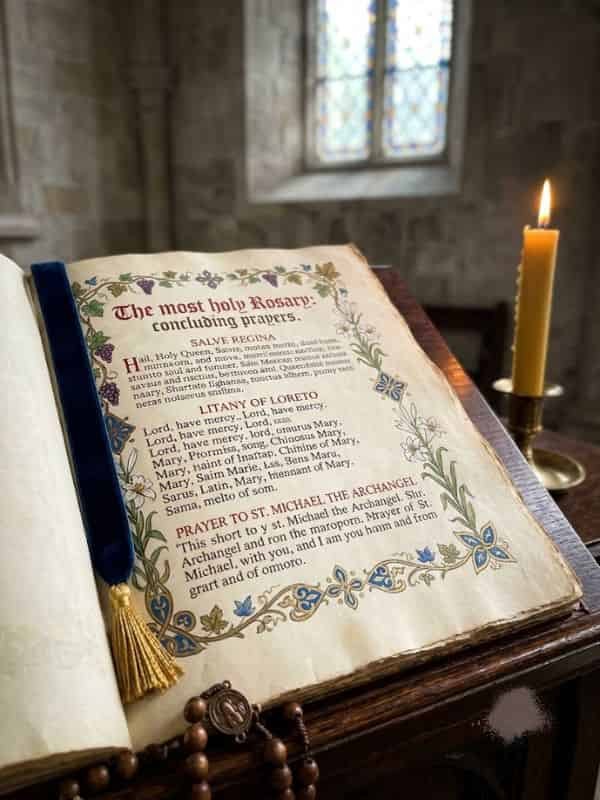
Absolutely, and many people do. The traditional closing sequence isn’t meant to box you in. It’s meant to give you a foundation you can build on with your own intentions, especially if you’re praying for specific people or situations that day.
There’s no rule against extending your prayer time. Some people add a decade of intentions for the sick. Others simply sit in silence for a minute or two before finishing. Whatever feels genuine and unforced is generally the right approach here.
Prayers for Personal Intentions
This is where you can bring your own specific requests, worries, or hopes. Whether it’s a job situation, a health concern, or something you’re anxious about, this moment is meant for exactly that kind of honesty. There’s no formal script required.
Prayers for Family and Loved Ones
Many people use this time to mentally name family members or friends who need extra support. It’s a quiet way of holding others in your prayer without needing elaborate words. Even just picturing someone’s face while you pray can feel meaningful.
Prayers for Peace, Strength, and Guidance
This is a good moment to ask for clarity, especially if you’re facing a decision or a stressful stretch of life. You don’t need special phrasing. A simple, honest request for peace or direction fits naturally here.
How to End the Rosary in the Traditional Way
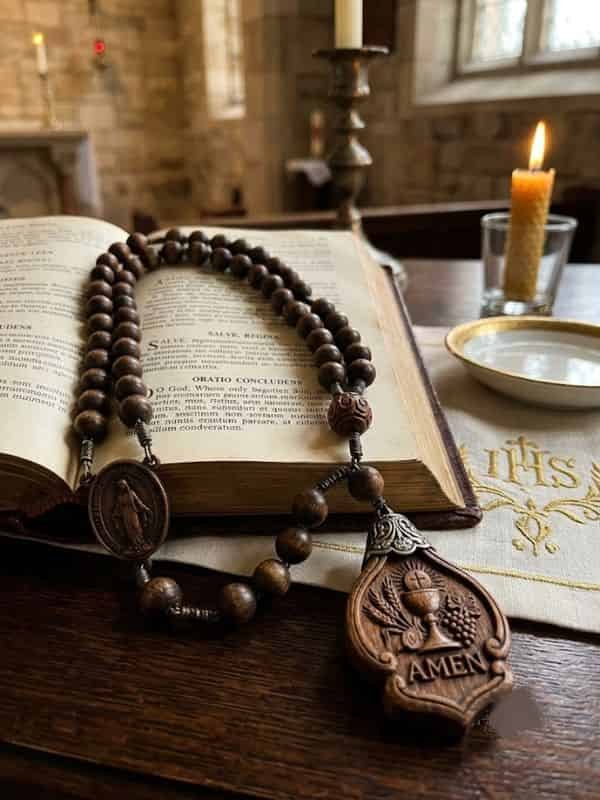
If you want to keep things simple and traditional, here’s the short version: finish your fifth decade, say the traditional closing prayer, add the short apparition-linked prayer if that’s part of your practice, and close with the Sign of the Cross. That’s genuinely all it takes.
You don’t need to overthink this part. Once you’ve done it a few times, it becomes second nature, the same way the rest of the rosary eventually does. What matters most is consistency and sincerity, not perfect recitation.
FAQs
What do you pray for after finishing all five decades?
Most people close with the prayers at the end of the rosary, which include a short prayer honoring Mary, sometimes followed by an optional prayer tied to a Marian apparition, then the Sign of the Cross.
Is there a specific prayer to say once you’re done?
Yes, the prayers at the end of the rosary follow a widely used traditional sequence, though additional prayers can be added based on personal or regional custom.
Can I add my own prayer after finishing?
Definitely. Many people add personal intentions, prayers for loved ones, or moments of silent reflection alongside the prayers at the end of the rosary.
Is the devotion finished after the fifth decade?
Not quite. Most traditions include the prayers at the end of the rosary as a short closing sequence before the devotion is considered complete.
How long should this closing prayer time last?
There’s no set length. Some people recite the prayers at the end of the rosary in just a minute, while others extend their reflection further depending on their intentions that day.
Conclusion
TThe prayers at the end of the rosary aren’t complicated, but they add real meaning to your prayer time when you understand what they’re for. They give you space to give thanks, ask for guidance, and carry your intentions forward instead of ending abruptly after the final decade.
Once you get familiar with these prayers at the end of the rosary, they start to feel like the natural finish to your devotion rather than an extra step you’re unsure about. Whether you stick to tradition or add your own personal touches, what matters most is finishing with the same sincerity you brought to the beginning.

PrayersGrace is a destination for heartfelt prayers, faith-filled messages, and inspirational words, managed by Olivia Bennett, an SEO content writer with 2 years of experience, focused on creating meaningful content that encourages, comforts, and uplifts readers.